
Voluntary Disclosure Programs
Voluntary disclosure agreements for sales tax exposure are a way for businesses to address past exposure in a controlled way, before a state audit starts. Instead of waiting for an audit, companies can step forward themselves. Sales tax voluntary disclosures help resolve liabilities more strategically and can limit how far back the review goes. That can mean: fewer surprises, clearer compliance paths, and a better shot at reducing penalties. For businesses operating in multiple states, voluntary disclosure is not about admitting failure – it is about fixing the problem before it gets more expensive.

Why You Might Need Voluntary Disclosure Help
Some businesses realize they should have been collecting or remitting sales tax only after expanding into new states, adding products, or reviewing old filing patterns. By then, the exposure may already be larger than expected.
That is where DDH can help. Davis Davis & Harmon LLC – The Sales Tax Experts works with businesses that need a practical plan, careful state communication, and a better way forward before an audit or investigation begins.
There are a few common reasons businesses searching choose to reach out to us for help with About voluntary disclosure programs:
- A business discovers unpaid taxes in one or more states
- Economic nexus or registration obligations were triggered
- Prior filings were incomplete, inconsistent, or never started
- To address risk before a state makes contact
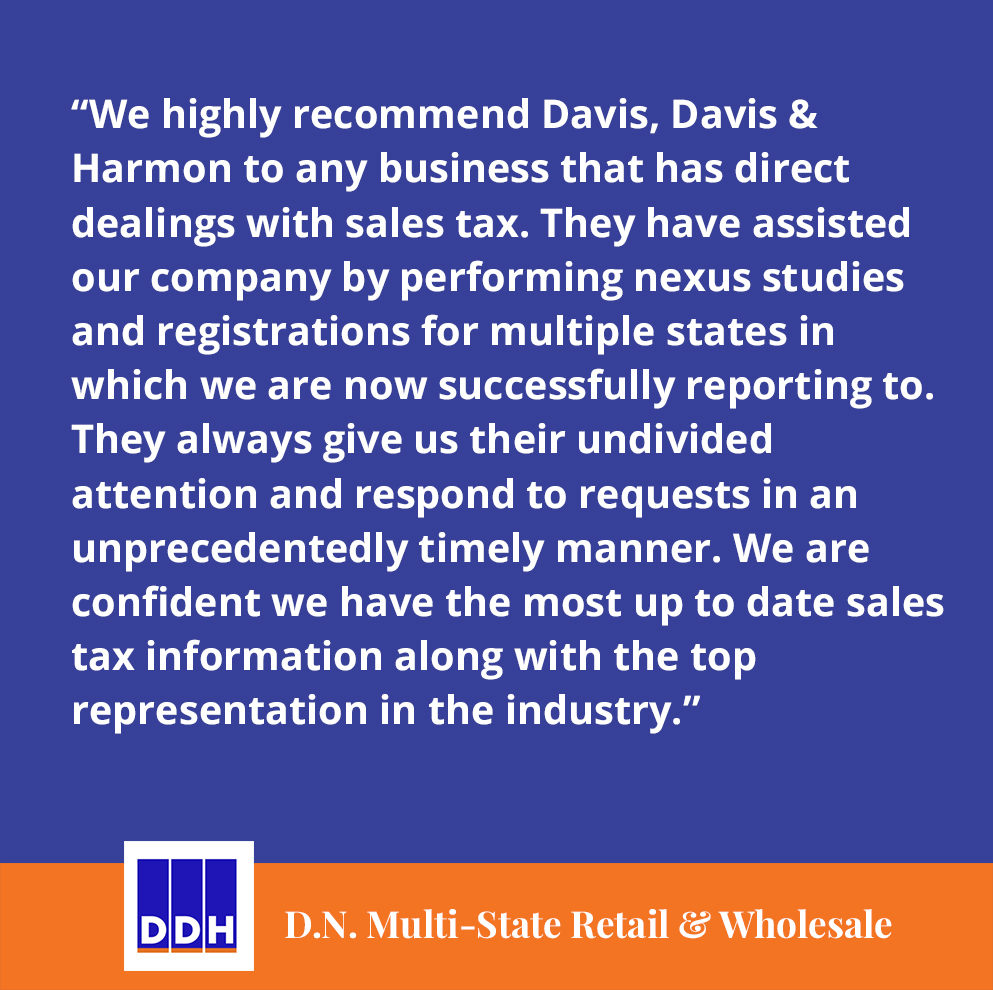
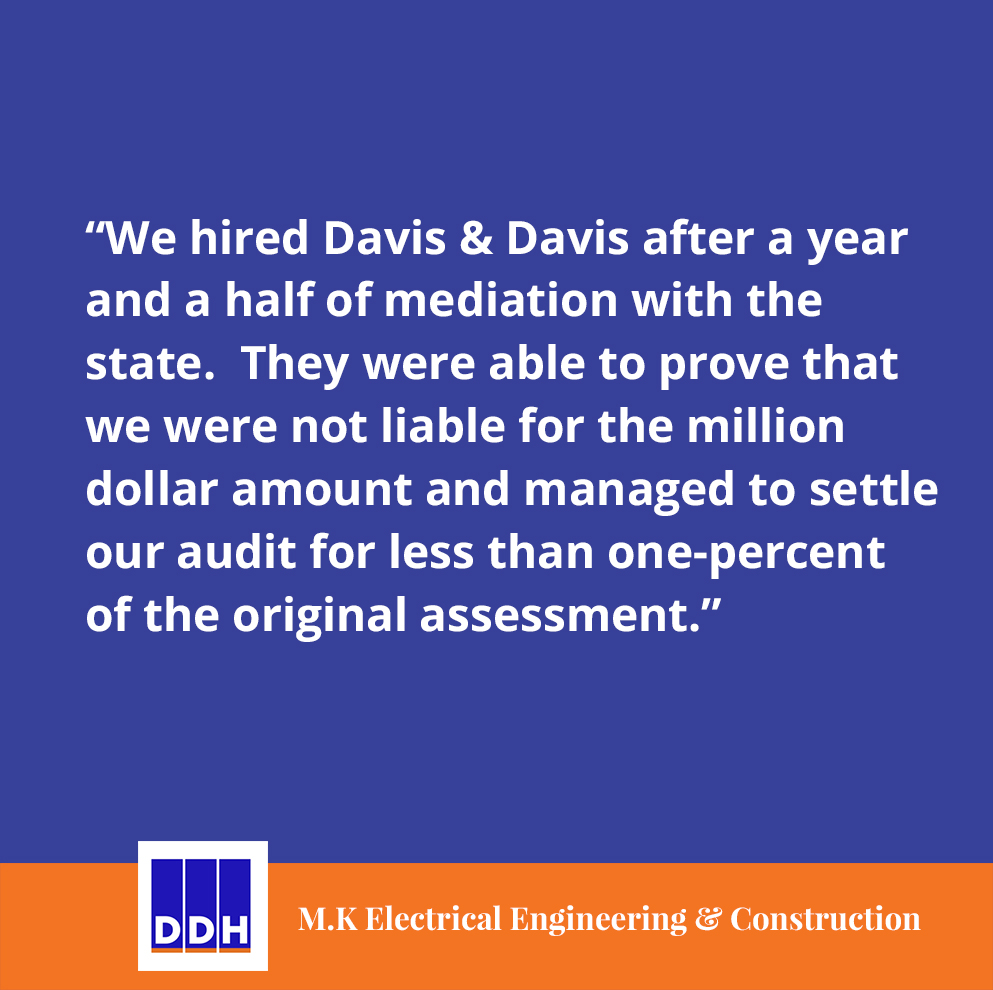
Results that Speak for Themselves
Businesses come to DDH for sales tax voluntary disclosure agreement plans because the firm knows how to reduce panic and move quickly. Since 2001, DDH has helped clients across industries with sales tax voluntary disclosure to resolve difficult state tax issues, and move toward compliance with more peace of mind.
Our 4-Step Approach To Voluntary Disclosure
- Review the exposure and facts to tailor a voluntary disclosure program to your needs.
- Identify the states, timelines, and filing risks involved.
- Negotiate with taxing authorities where voluntary disclosure is available.
- Help the business move toward cleaner ongoing compliance.
Voluntary Disclosure – FAQs
When should I seek out voluntary disclosure?
Voluntary disclosure should be sought out as soon as you identify sales tax exposure, and before an audit. When a business identifies past sales tax non-compliance (and has not yet been contacted for an audit or investigation), voluntary disclosure offers a safer way to address exposure, while keeping control.
What risks do sales tax voluntary disclosure agreements reduce?
Results vary, but sales tax voluntary disclosure may help with a few important items, especially when a voluntary disclosure program is more about state tax exposure:
- Limiting lookback years
- Reducing certain penalties
- Creating a clearer path for compliance
What if we already use tax software?
Software can assist with filings – but it cannot negotiate with taxing authorities or assess strategic risk the way an experienced advisor can.
Whether you need to understand exposure, communicate with states, or just make decisions with more confidence, DDH helps businesses like yours.
Schedule a Free Assessment
If your business needs to address past sales tax exposure before a state contacts you, and you’re looking for a voluntary disclosure program, DDH can help. Call us or fill out the contact form!